Scammers are everywhere today, and they target anyone and everyone. Know what the warning signs of a scam are and what to do if you think you’ve been scammed.

Scammers are always finding new ways to trick people, so always stay diligent and ask someone for help if you suspect you are being scammed.
Scammers are wildly creative. They are constantly adding new tricks and schemes to infiltrate our entire technology landscape: emails, calls, texts, and even QR codes. They want information, especially Social Security numbers. Access to personal information opens the door for them to commit all kinds of fraud, like opening credit cards, taking out loans, applying for government benefits, filing fake tax returns, and much more.
Other scammers aren’t interested in your personal information, though. They just want your money, and they have dozens of ways to try to get it from you.
Kansas City Credit Union is here to help its members stay informed so they can keep their personal information safe and secure. Let’s review how to spot a scam – and what to do if you suspect you may be the victim of one.
How Do I Know If Something Is a Scam?
1. They claim to be someone you know or trust.
A common ploy used by scammers is pretending to be someone you know or a business or organization you’re already familiar with. They will say they are with the Social Security Administration, the IRS, or a local utility company. They can easily manipulate caller ID and email addresses, making it appear that the call, text, or email is from one of those entities.
Most importantly, never click any links in those texts or emails, and do not respond. If you want to confirm if it is the actual individual or organization trying to contact you, stop any communication you’ve had so far and try to contact them through an officially listed website or phone number.
2. They say there is a problem or there is a prize.
Scammers know that by playing on human survival instincts, they can trick more people into their scam. They do this with two specific triggers – threat and reward. The human brain is designed to react quickly to these two scenarios, which means you will be in a reactive mode and not thinking logically.
The scammer will tell you that you are in trouble with a government organization or that you owe money to the IRS, hoping you will panic and be willing to do whatever you can to fix the problem. Or, they will tell you that you have won a fabulous prize to get you excited. Lottery and inheritance scams are rampant, and that is because when people hear they have won, they want to believe it, and it makes them blind to the red flags. The scammer will say that in order to claim the prize, a fee must be paid first – a clear sign that this is a scam.
3. They pressure you to act fast.
Again, this tactic uses the way the human brain is wired against you. The scarcity approach (“This offer expires in ten minutes!”) and the threat approach (“You’ll be arrested if you don’t pay right now!”) leave no time for you to think critically about the situation. Real, legitimate organizations will not rush you.
4. They want you to pay them in very specific ways.
Scammers have a plethora of different ways they collect money from unsuspecting victims. Oftentimes, they will be very specific about how they want the money sent to them. This is because they do not want it to be traced, reversed, or recovered.
The most common requests are:
- Wire Transfers: Money is sent almost instantly with very little ability to stop once it is sent. Banks are not required to recover wired funds, and international wires are nearly impossible to trace or reverse. Scammers like to use wire transfers because they look the most like a legitimate large transaction. They will even coach you on exactly what to say to the bank if the teller starts asking questions.
- Cryptocurrency: Crypto transactions are largely anonymous and completely decentralized. This means there is no customer service. There is no fraud department. There is no one to help you if you have been scammed into sending a crypto payment. Bitcoin ATMs are popping up everywhere, like in gas stations, so scammers instruct their victims to pull money from their bank account and feed it into one of these ATMs, so that it is converted into untraceable crypto.
- Gift Cards: This ploy often surprises people because gift cards are so common and familiar to us. This is the most common payment method requested by scammers. Gift cards can be purchased with cash, meaning they leave no paper trail. They are loaded immediately and can be used anywhere online. They are non-refundable by design and impossible to trace once the code is shared. A scammer will tell you to go purchase specific gift cards and then share the codes with them. Just know that no legitimate business, utility company, or government organization is going to ask that you pay them with a gift card.
- Fake Checks: The fake check scam tricks many people because it seems like the scammer is paying you, not the other way around. How it works is the scammer sends you a check with the reason either being for a purchase, a work-from-home task, or as a prize. But there is a problem. They actually sent you an “overpayment.” They tell you to go deposit it, send back a portion to them, and then you get to keep the rest. You do it, and you see the funds appear in your bank account within a day or two. Days later, though, the check bounces and the bank holds you accountable for the full amount withdrawn. They do not take into account any amount of money you already sent back to the scammer.
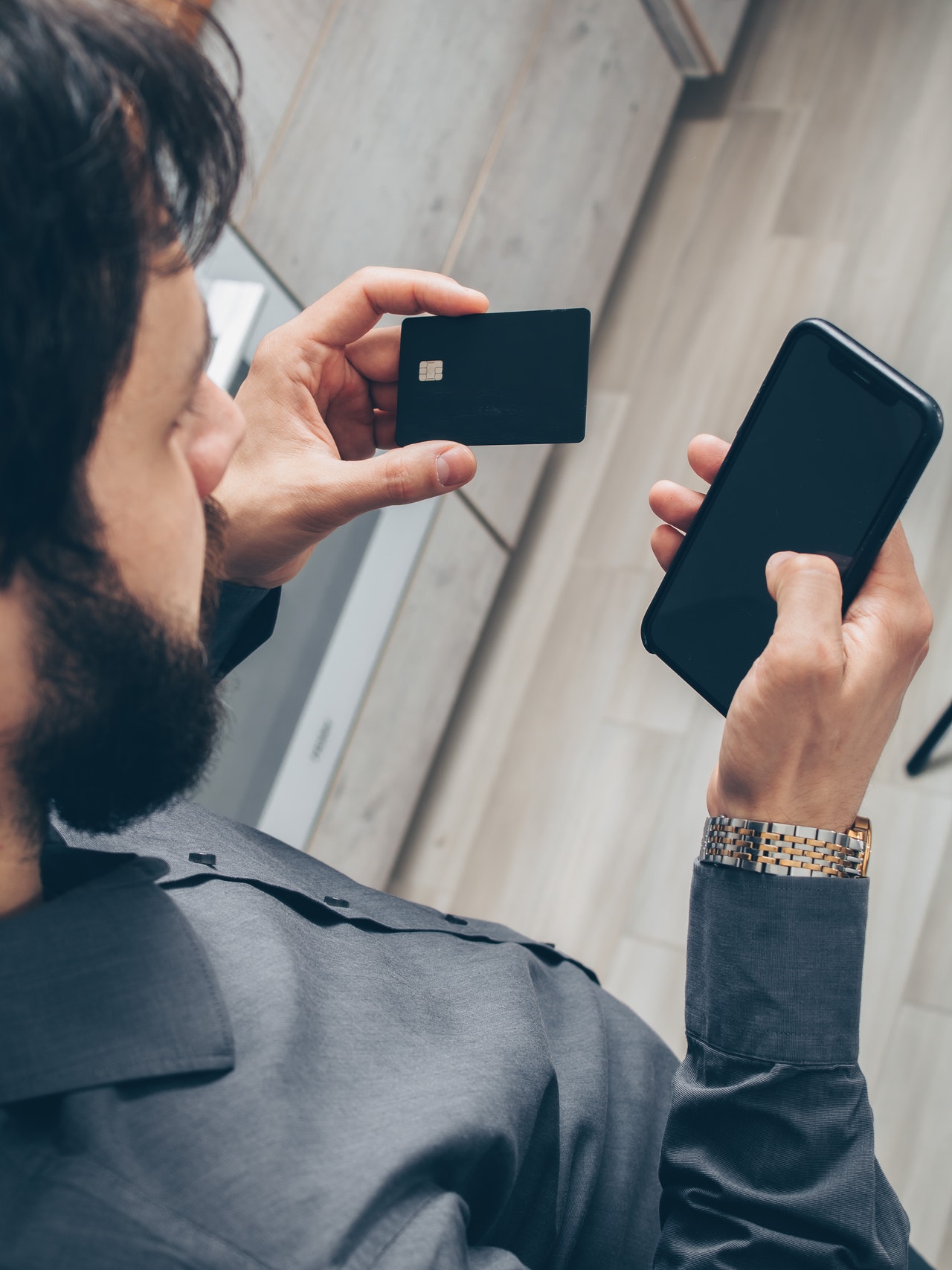
Never share your Social Security number, account numbers, or passwords with anyone online.
How Do I Keep My Personal Information Safe?
Follow these steps to keep your personal information protected online:
- Keep contact information up-to-date on all financial accounts.
- Always use a strong, unique password. Do not reuse passwords across accounts.
- Run security checks and system updates on all devices as needed.
- Enable biometrics.
- Know what the scam red flags are.
- Know exactly who has access to your accounts.
I Think I Got Scammed, Now What?
If you suspect that you may be a victim of a scam – don’t panic! Quickly complete the following steps:
- Stop all contact with the scammer immediately.
- Contact your financial institution and alert them to the situation.
- Change your passwords and PINs for any compromised accounts.
- Report the scam to the right agencies:
- Click Here to report a scam event to the Social Security Administration.
- Click Here to report a scam event to the IRS.
- Report all instances of a possible scam or fraud to the FTC.
- Alert friends and family. Scammers tend to target multiple people in the same network.
- Keep a close eye on your accounts and monitor for any unusual activity.