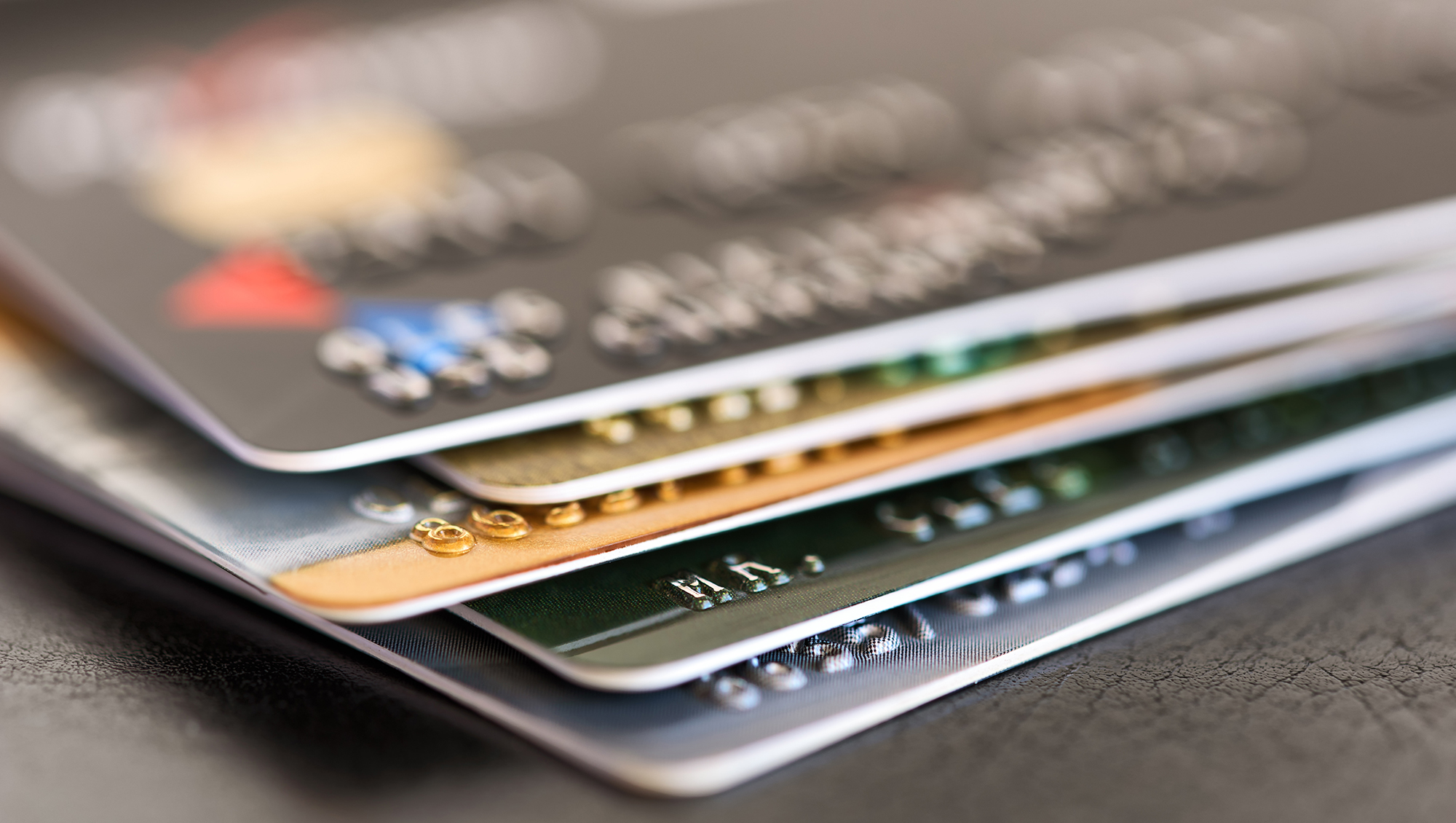
According to a recent Pew Research Center study, nearly 2 in 5 Americans no longer use physical cash, relying instead on credit and debit cards for their everyday purchases. This shift in preference means that cash is no longer the king of transactions and consumers face an ever-growing risk of payment card fraud. Security.org reports that in the past year, 61.3 million Americans had fraudulent charges on their credit or debit cards, and those unauthorized purchases racked up an astonishing bill of roughly $6.1 billion!
So, how are these scammers getting into other people’s credit and debit accounts? Two of the most common ways they achieve this are through credit card skimming and shimming.
What Is a Credit Card Skimmer?
A credit card skimmer is a small device placed on a card reader to capture card data as it is used in the card reader.
When a card is swiped, the illegal skimmer records the card data while the actual card reader processes the transaction like normal, which is why consumers often do not realize they have used a skimmer. Fake keypads or nearby cameras set up by the scammers capture the PINs, giving them everything they need to access the account.

Scammers like to install these difficult-to-spot devices on gas pumps, at convenience stores, outdoor ATMs, and self-service kiosks. These card readers are not as closely monitored, whereas the card readers on ATMs at financial institutions tend to be safer for consumers.
What Is a Credit Card Shimmer?
A credit card shimmer is a thin device that scammers hide inside the chip card reader to steal card data during a transaction.
Because shimmers are inserted into the card reader, rather than placed over the reader like a skimmer, these are much harder to spot. Inside the chip slot, the shimmer sits between your card and the terminal, grabbing the payment information as the actual transaction is completed. Advanced shimmers can transmit the stolen data to the scammer without them having to return and retrieve the device.

Chip cards are more secure than traditional magnetic stripe cards, but they are not immune to fraud. The shimmer is able to capture certain data, but it cannot copy the dynamic security code that makes the transaction more secure. Because of this, the scammer only has access to limited card data, but it is enough for them to make online purchases where a chip is not required. They can also combine with other stolen data for larger fraud schemes.
Difference Between Card Skimmer and Card Shimmer
Card Skimmer
- Targets the magnetic stripe.
- Device is placed over the reader.
- Easier to spot.
- Commonly installed on old or less visible readers.
- Can create counterfeit magnetic stripe cards.
Card Shimmer
- Targets chip cards.
- Device is installed inside the reader.
- Hard to detect.
- Installed on chip-enabled readers.
- Commonly used for online fraud schemes.
How Can You Spot a Card Reader That Has Been Tampered With?
There are signs that consumers can watch for when using a card reader. Being cautious can help prevent you from becoming the victim of fraud.
Warning Signs
- The card slot is slightly misaligned.
- Your card does not slide in smoothly.
- The card reader feels loose.
- Buttons are hard to push or slow to react.
Precautions
- Use contactless payment whenever possible.
- Use tap-to-pay if the option is offered.
- Use ATMs located in high-traffic areas or at financial institutions, like Kansas City Credit Union.
What Should You Do If You Used a Card Skimmer or Card Shimmer?
If you suspect your card has been compromised, or you are seeing unauthorized purchases on your account, contact your financial institution immediately. They will cut off access to the card, refund the stolen funds, and issue you a new card. Make sure to check all other financial accounts to ensure they have not been compromised as well. If you know what business you were at when your card was potentially skimmed or shimmed, contact them to let them know. File a report with the police and the Federal Trade Commission (FTC).